When European cities grew fast in the course of the economic recovery after WWII, living space for thousands of people and their families had to be provided. Efficiency was crucial, and housing development in the form of large apartment blocks was found to be the solution throughout the continent, both in the West as well as in the East.
Factories are used to mass produce goods efficiently and at scale. In this sense, these new urban areas can be seen as housing factories ('Wohnfabriken' in German), hence the title of this series.
Examples of such housing factories are found in the western part of the city of Bern in Switzerland. After WWII, the development of terraced houses was found to be inadequate in the face of the rapid population growth. Instead, high-rise apartment blocks were and still are built. Over the time, the architectural styles have changed.
The main goal has not: nowadays, low interest rates and ongoing growth led to skyrocketing real estate prices. The idea of 'producing' housing efficiently is still crucial for modern urban development. So housing factories are still built, in large and smaller forms, both within the city limits as well as in urban agglomerations.

Gäbelbach I, Bern-Bümpliz, 2021
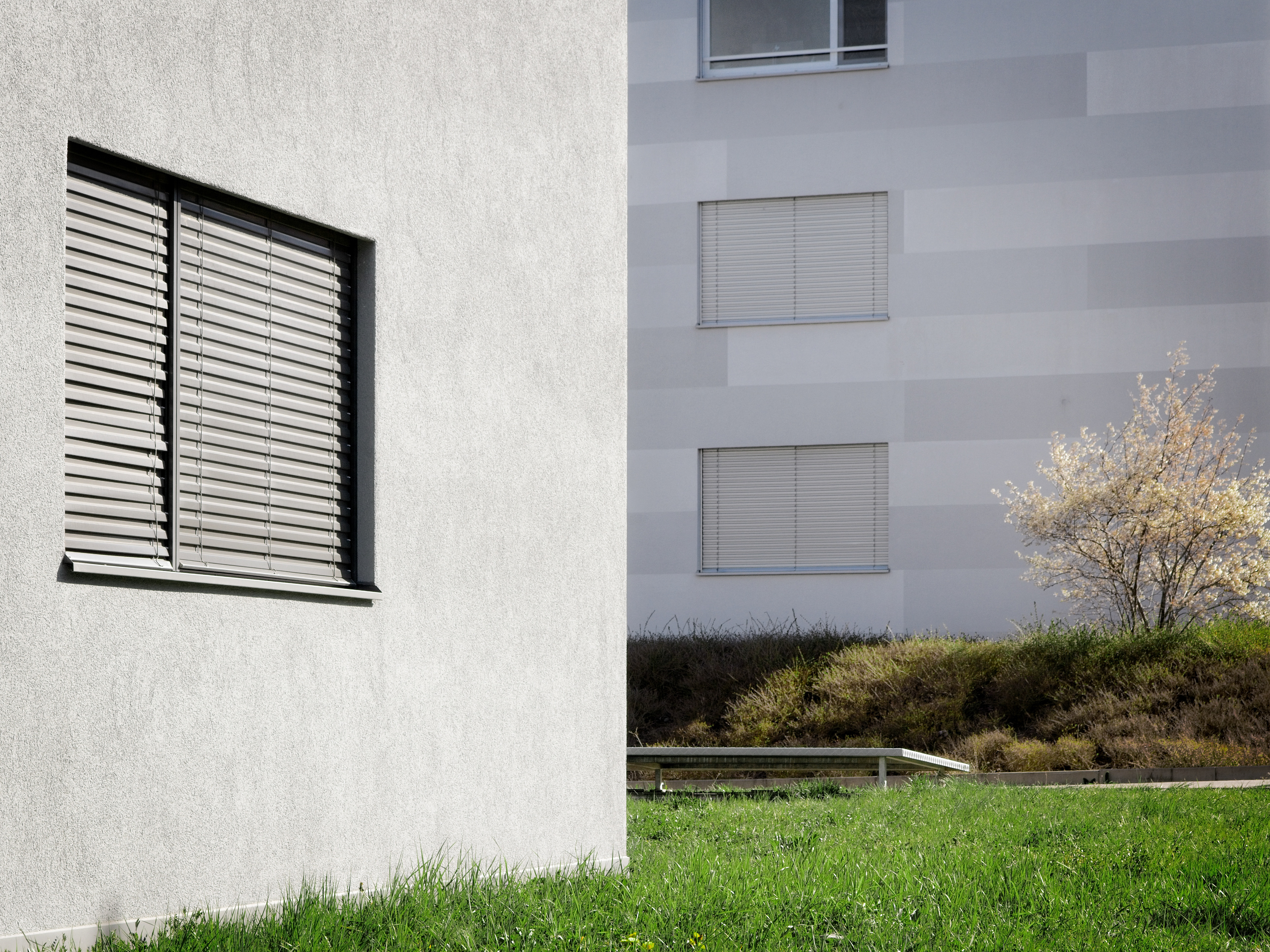
Brünnen II, Bern-Bümpliz, 2021
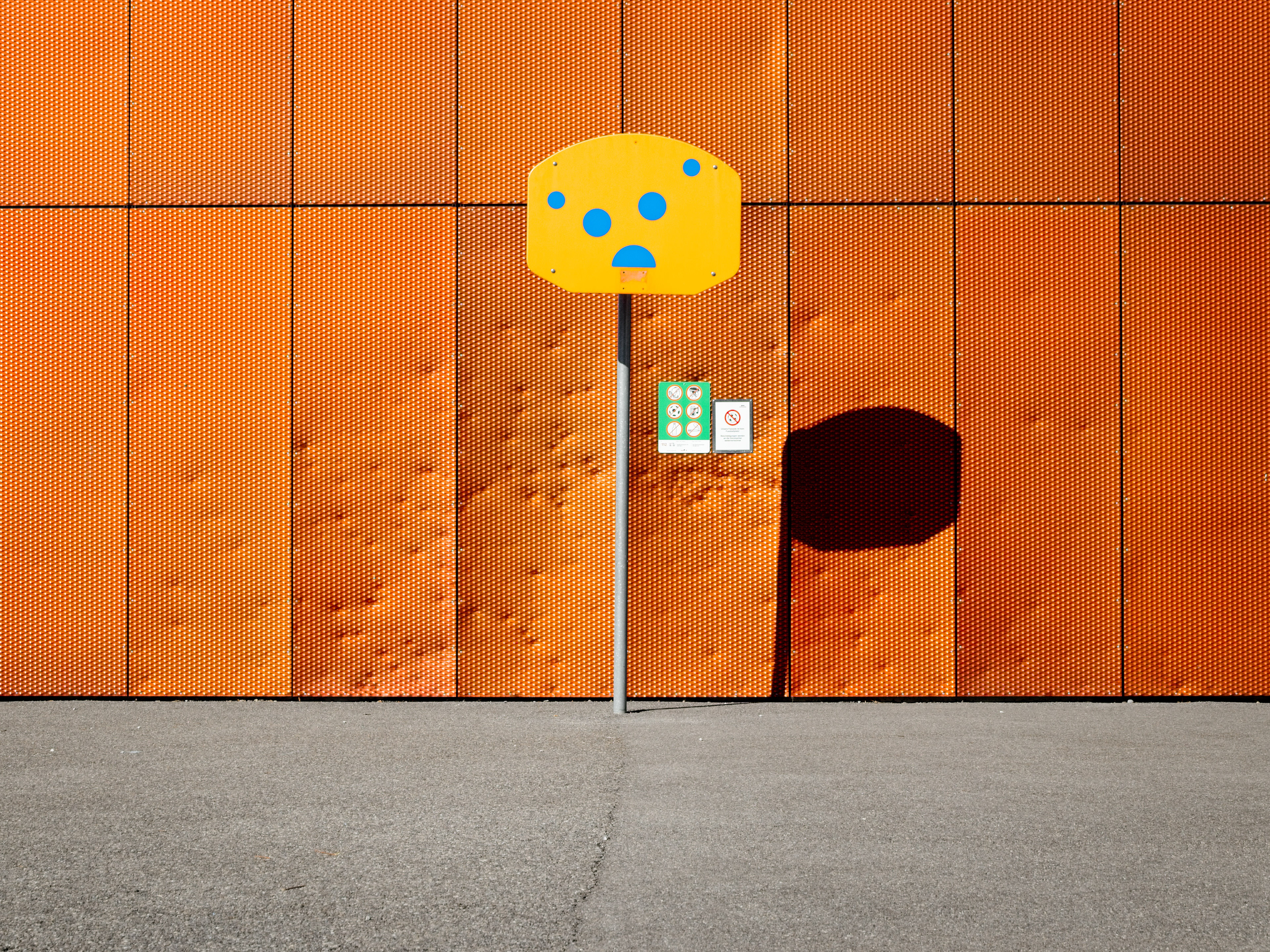
Riedbachstrasse I, Bern-Bümpliz, 2021
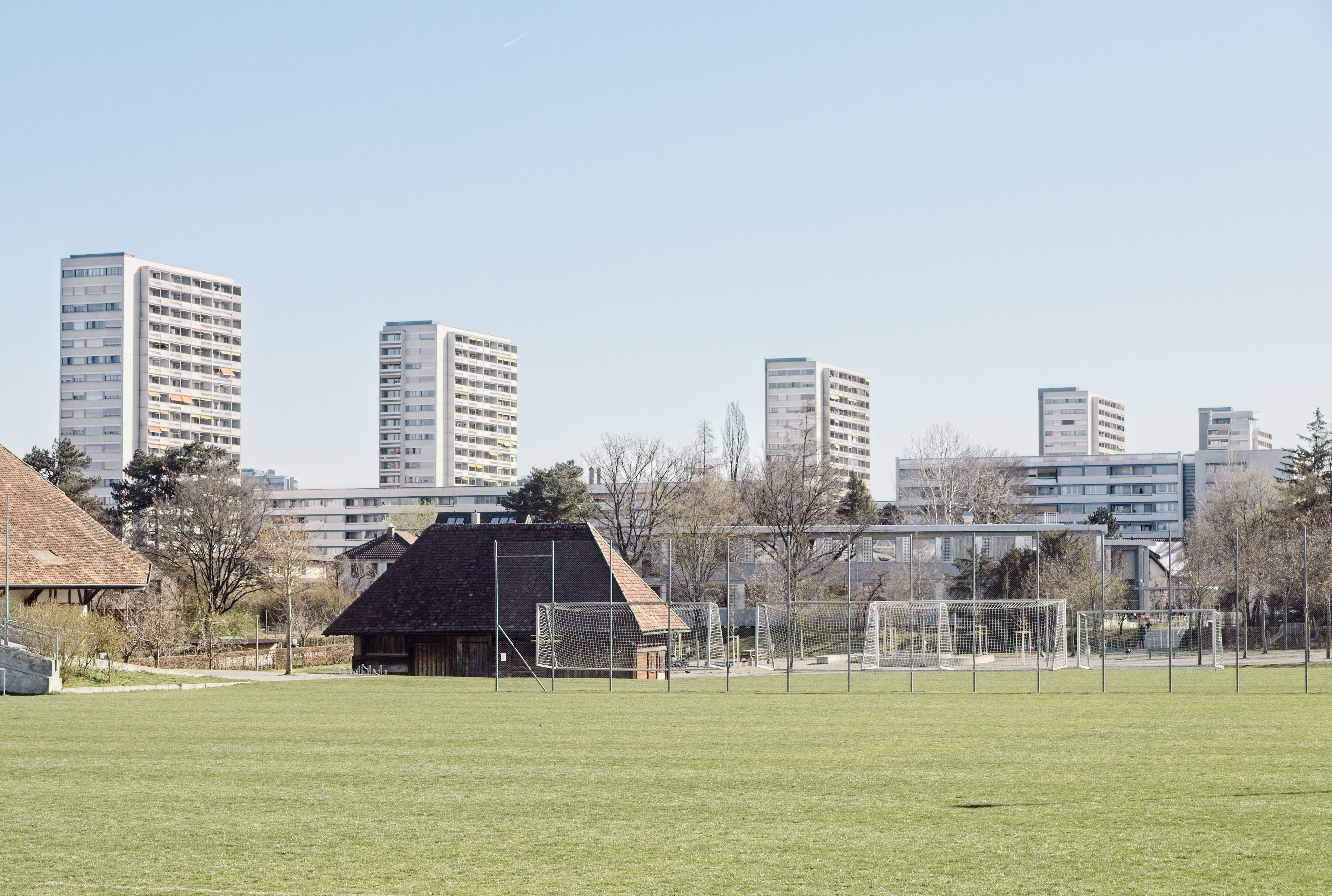
Tscharnergut, Bern-Bümpliz, 2021
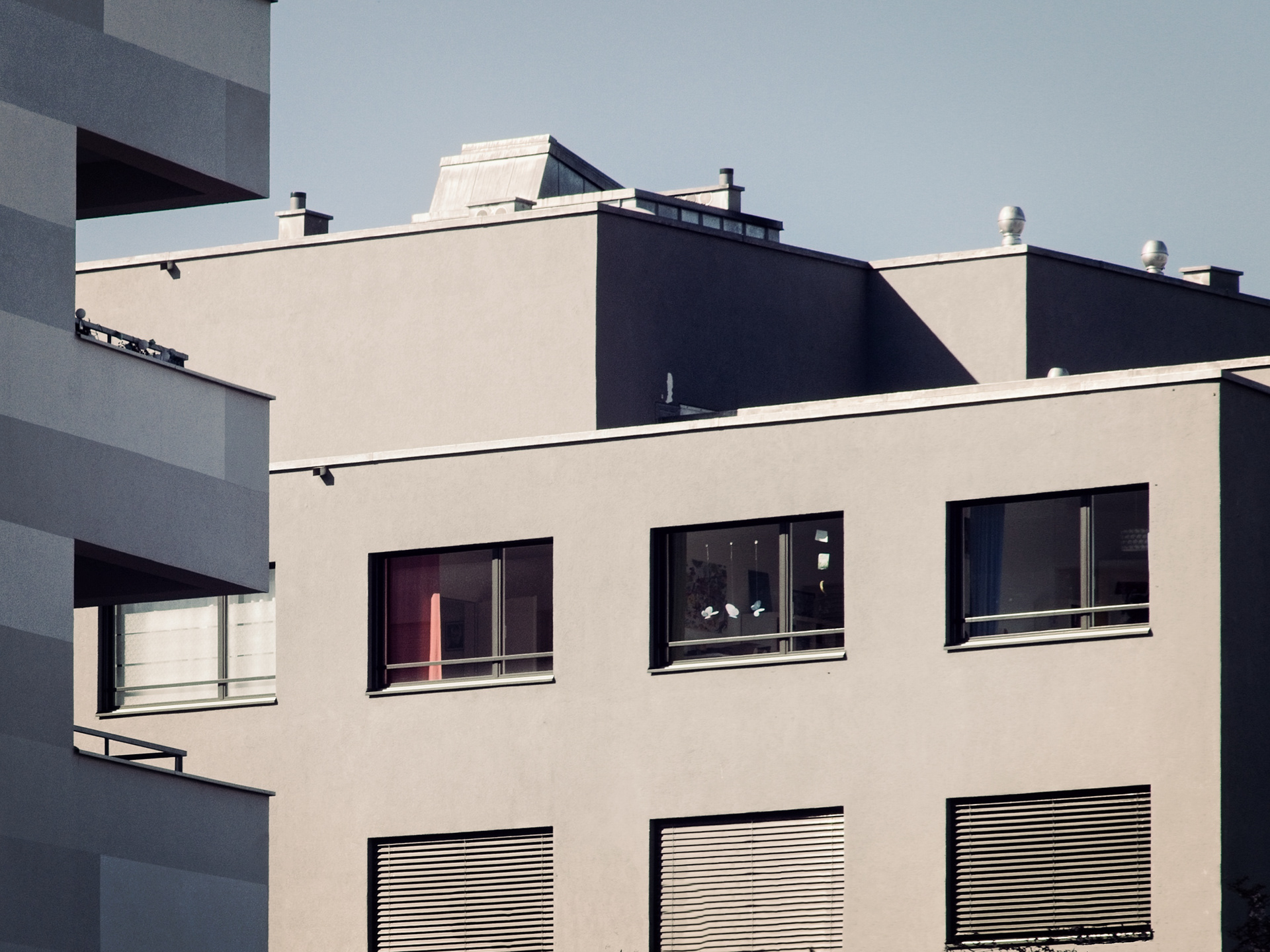
Brünnen I, Bern-Bümpliz, 2021
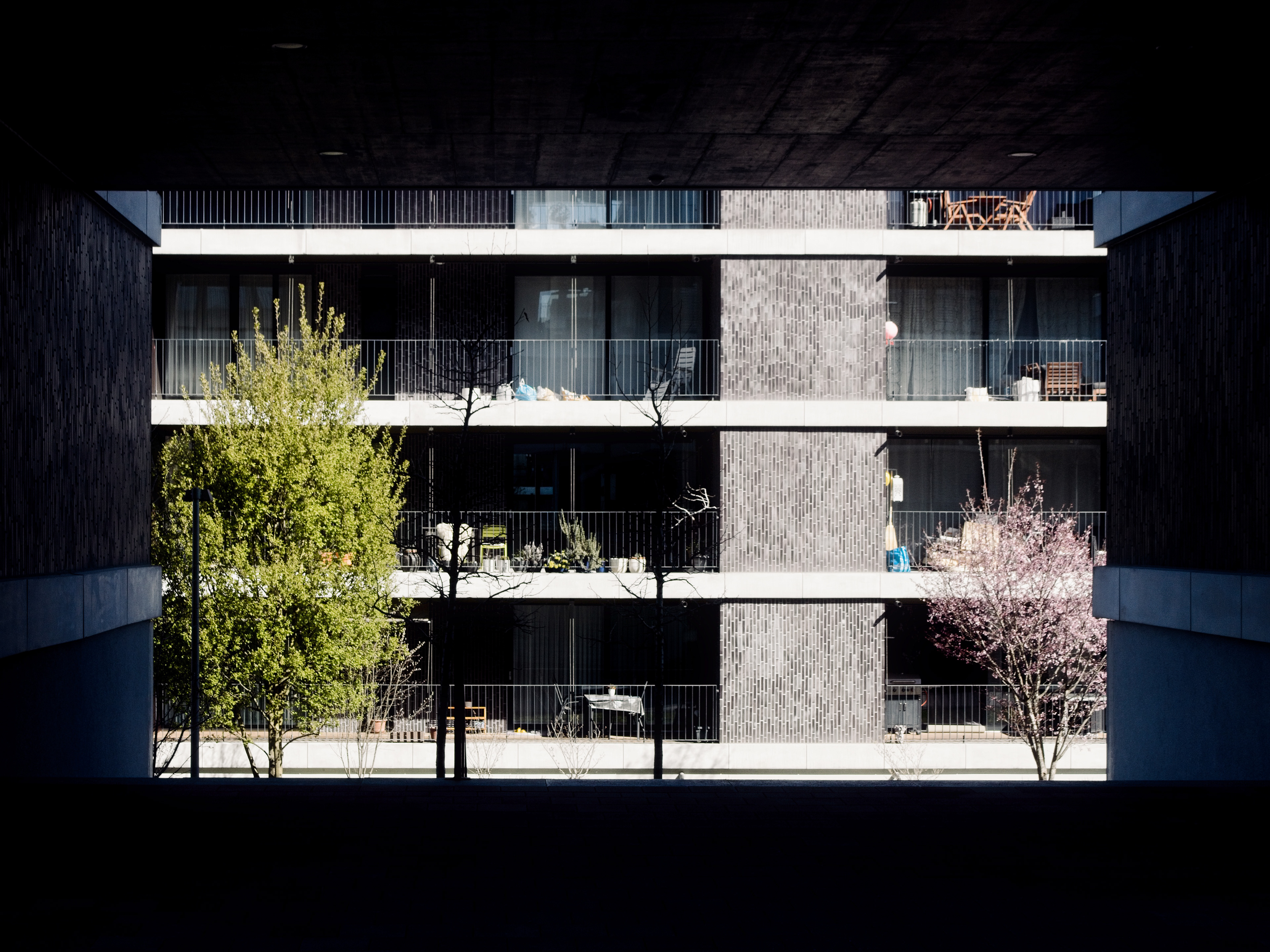
Brünnen VI, Bern-Bümpliz, 2021
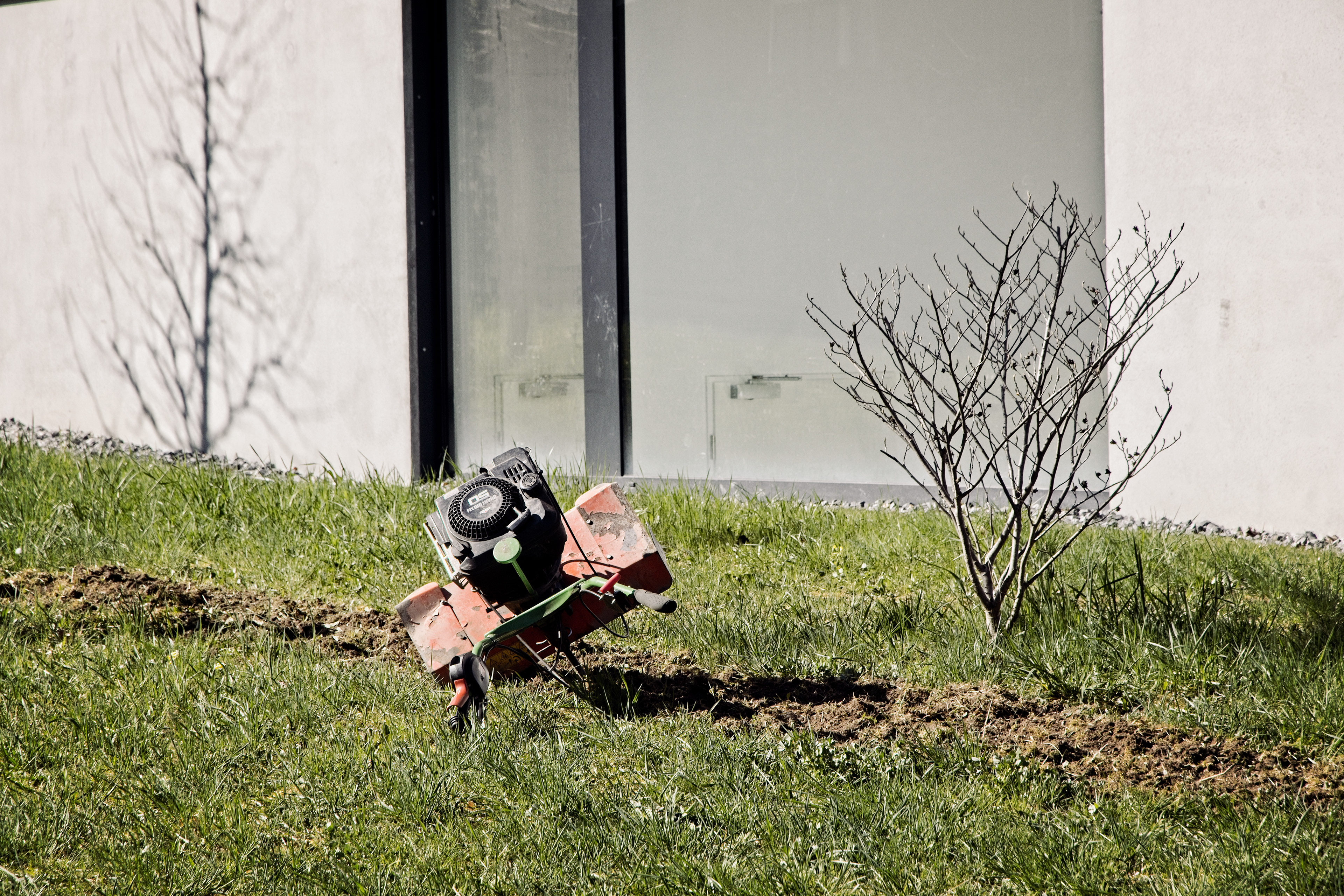
Brünnen III, Bern-Bümpliz, 2021
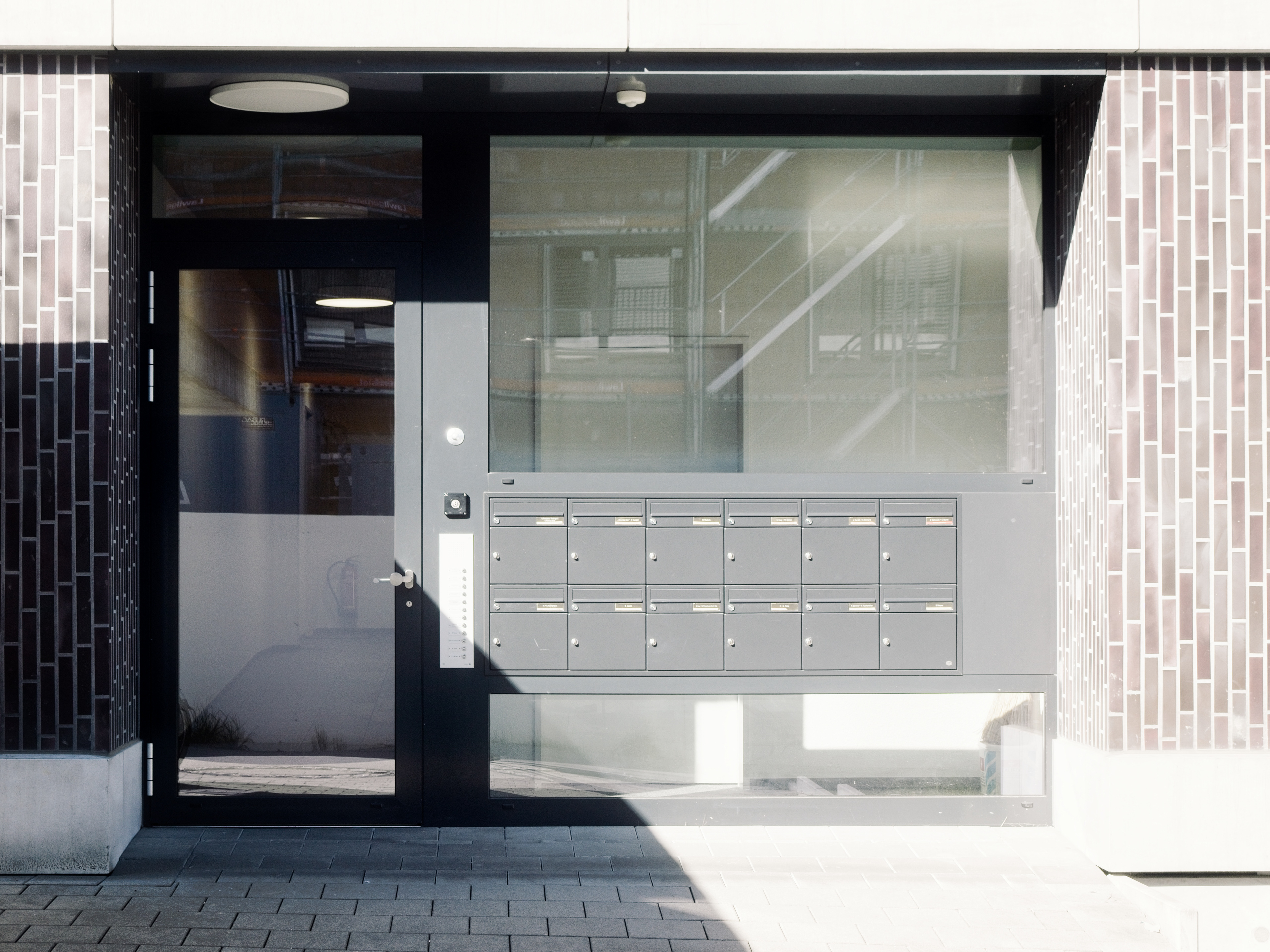
Brünnen IV, Bern-Bümpliz, 2021
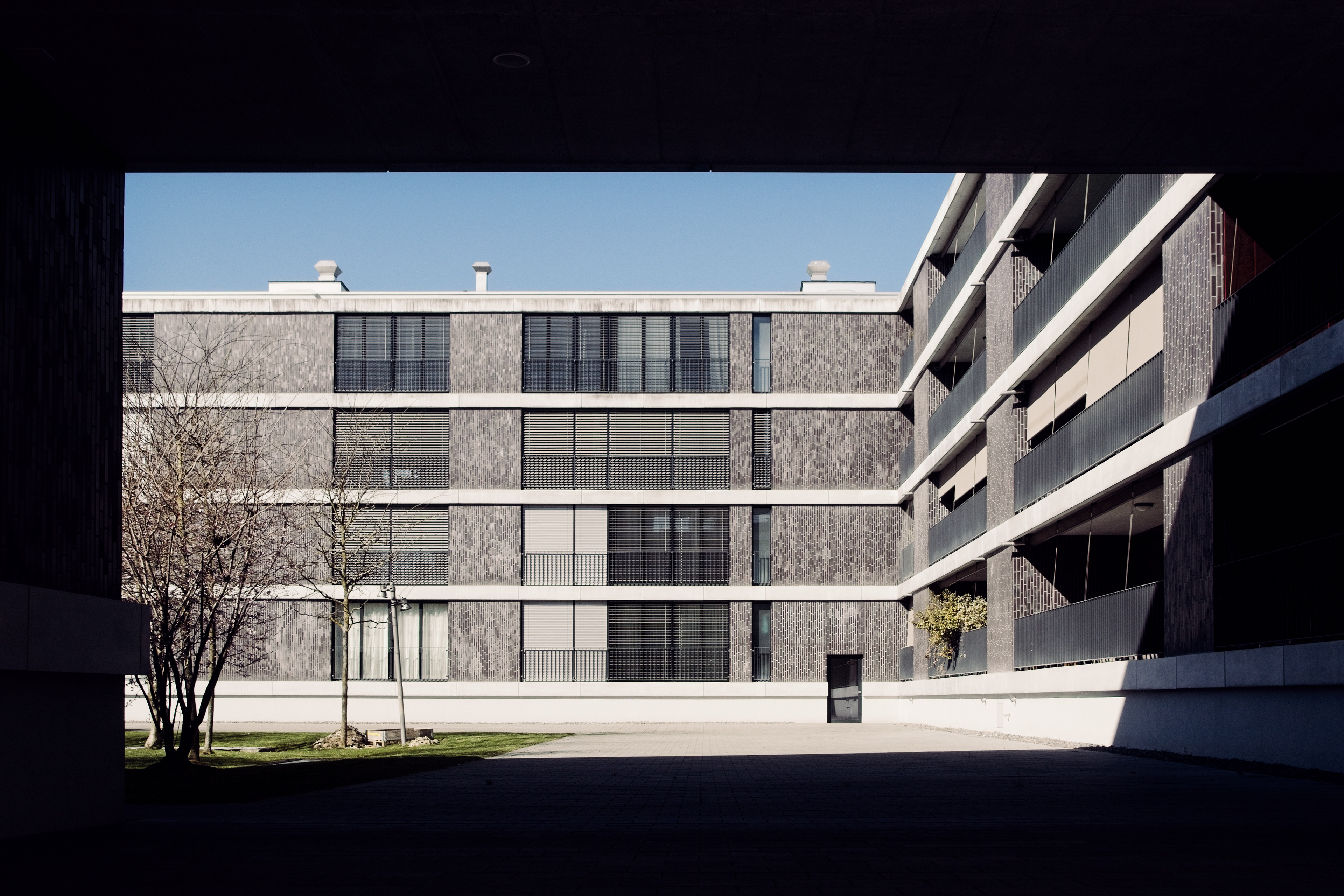
Brünnen V, Bern-Bümpliz, 2021

Gäbelbach II, Bern-Bümpliz, 2021

Gäbelbach V, Bern-Bümpliz, 2021
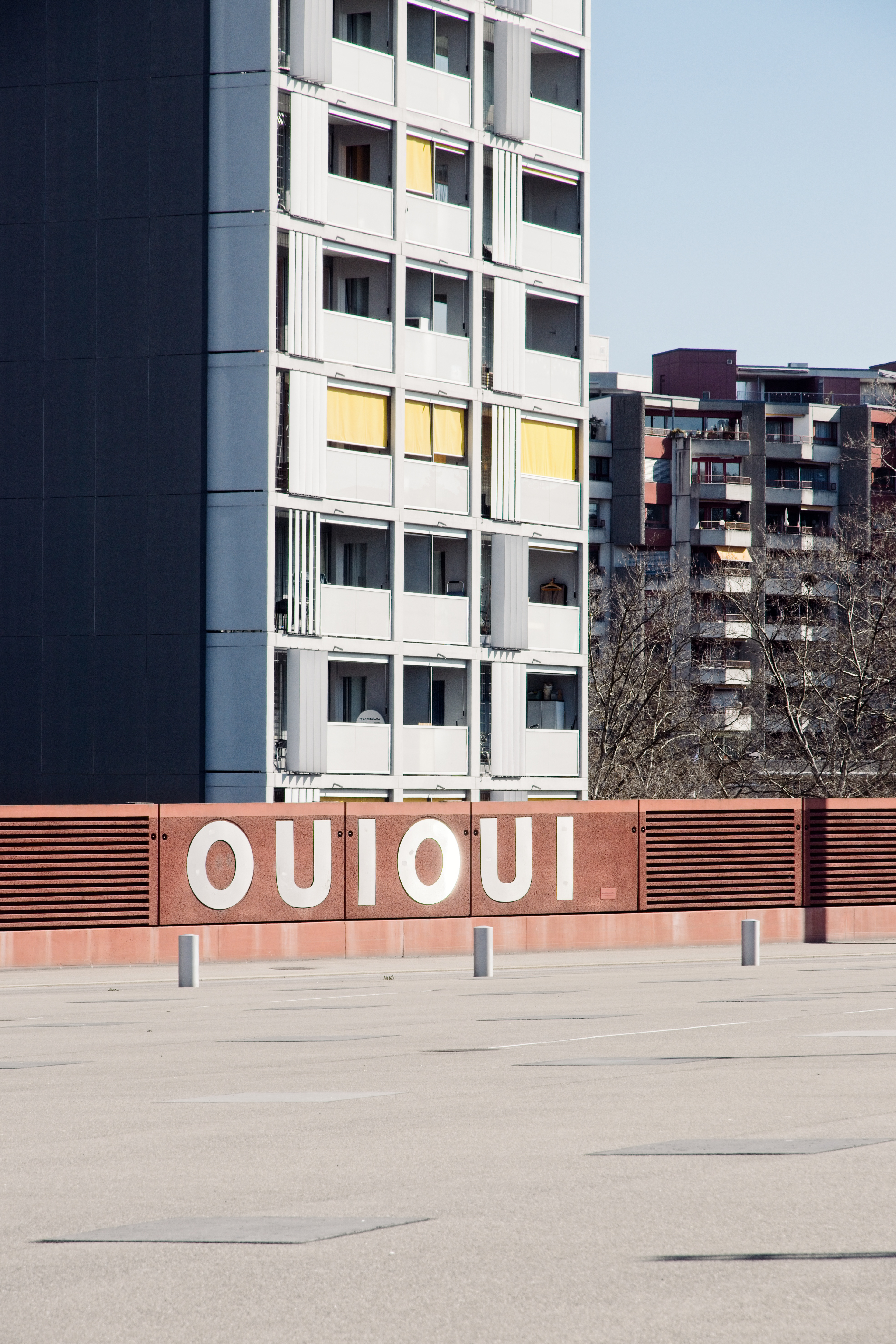
Gäbelbach VI, Bern-Bümpliz, 2021

Holenacker II, Bern-Bümpliz, 2021
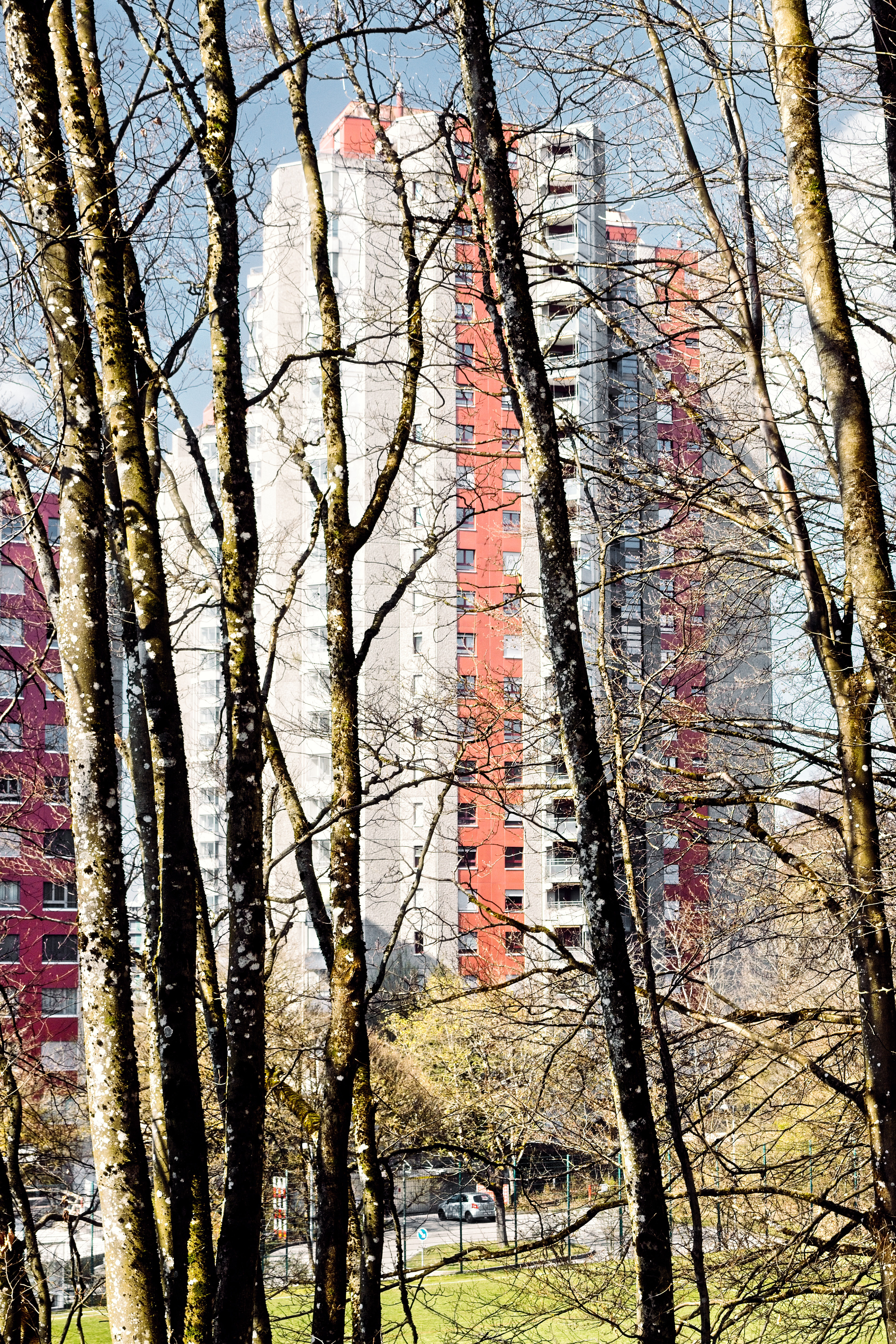
Holenacker I, Bern-Bümpliz, 2021

Holenacker III, Bern-Bümpliz, 2021

Holenacker IV, Bern-Bümpliz, 2021
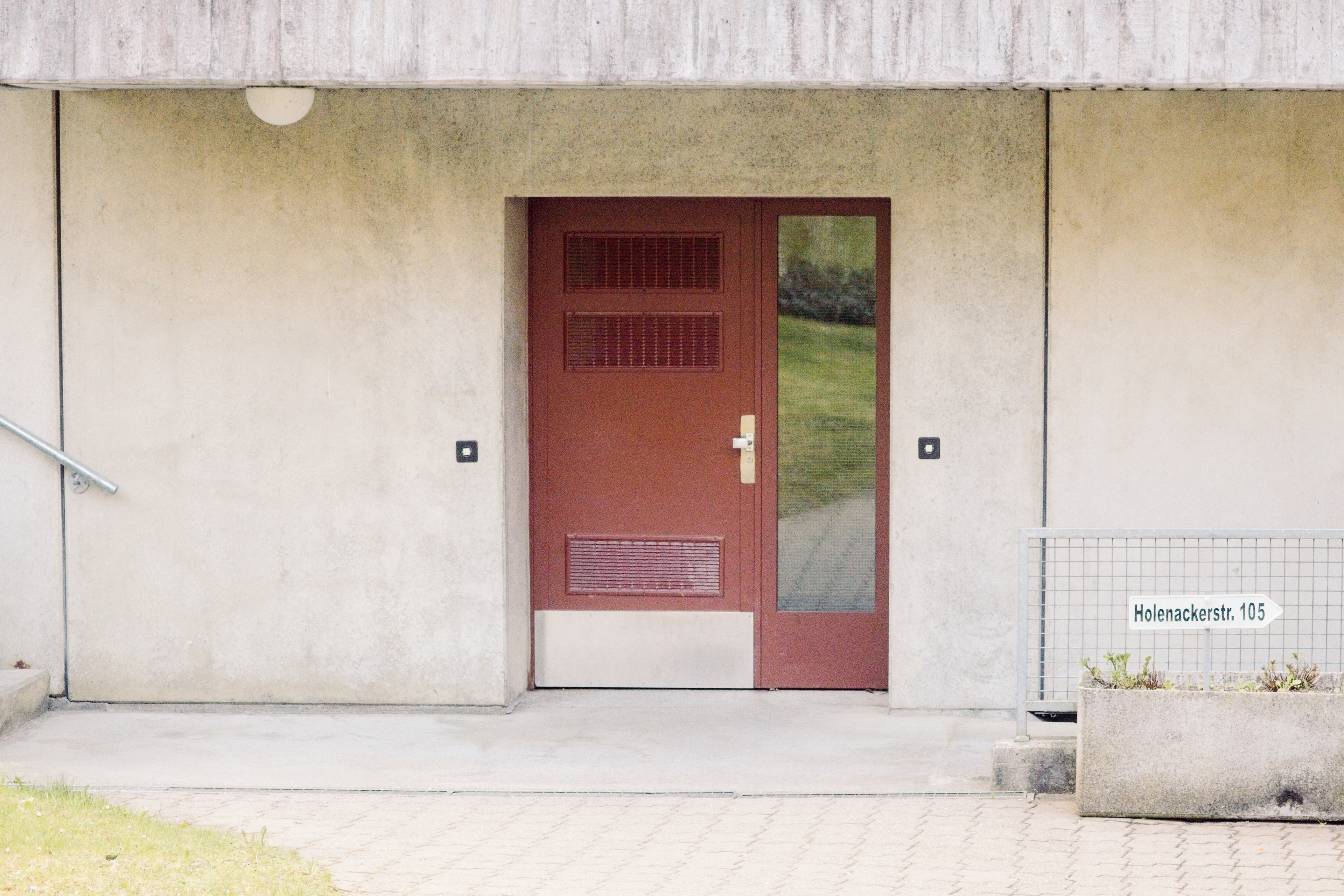
Holenacker VIII, Bern-Bümpliz, 2021

Gäbelbach IV, Bern-Bümpliz, 2021

Gäbelbach IV, Bern-Bümpliz, 2021
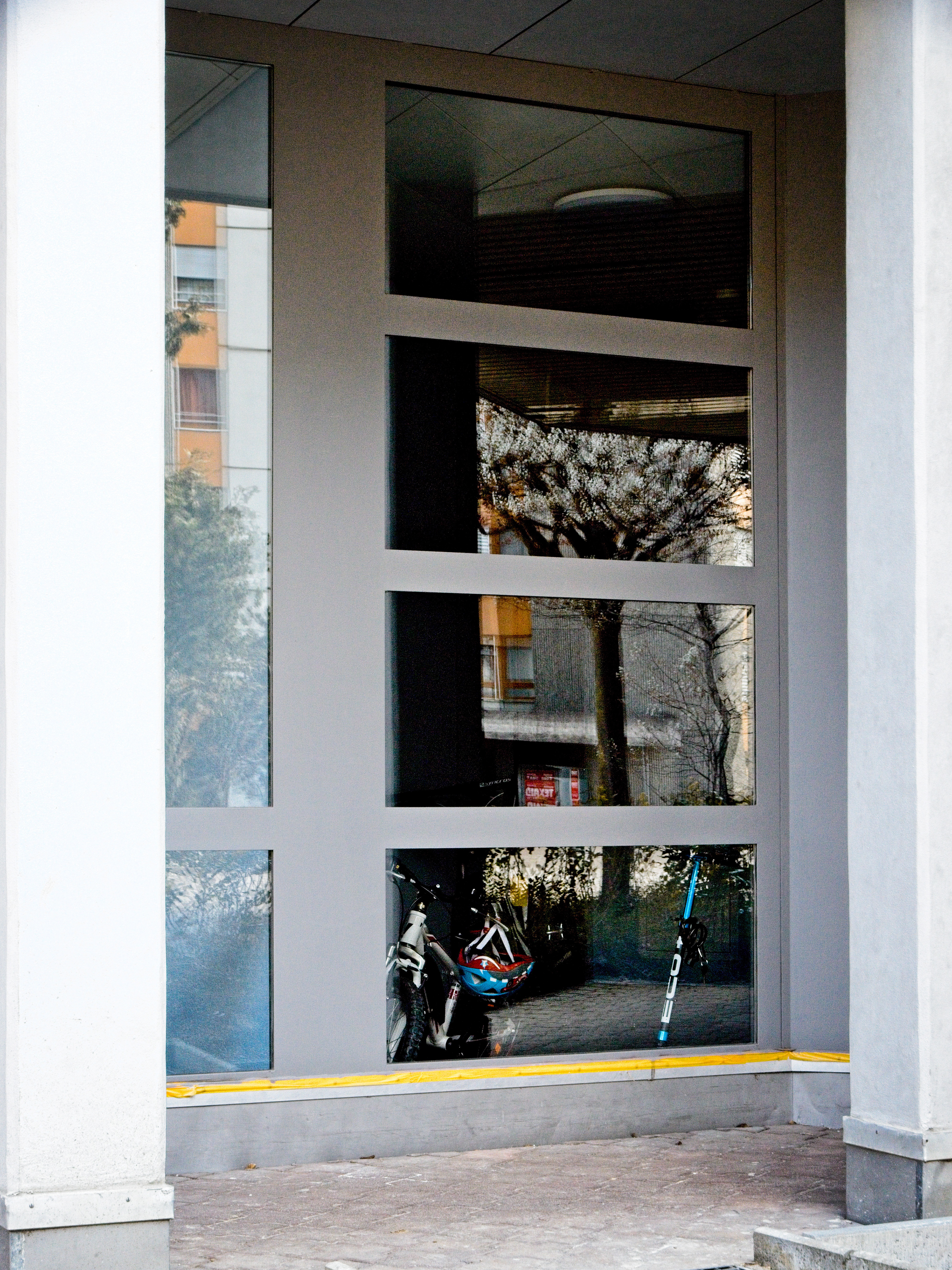
Holenacker VI, Bern-Bümpliz, 2021

Holenacker IX, Bern-Bümpliz, 2021